
Collaboration, Community and the Power of Design
Author: Dr Katie Lidster, Research Development Manager, GW4 Alliance
Connecting people to drive collaboration and impact is what I love doing and seeing connections grow is the best part of my role. At the heart of the GW4 Alliance (a research alliance of Bath, Bristol, Cardiff and Exeter universities) we bring together academics, governments, communities and business to explore ideas, build trust and create the foundations for long‑term collaboration. But it’s when you see that work in action that it truly hits home how transformative it can be for people’s everyday lives.
As a Steering Group member for the Transforming Homes project, working with partners across the GW4 Alliance, I have a close understanding of the aims and ambitions of the funding as a core project under the wider Green Transition Ecosystem. Transforming Homes began with early GW4 seed funding, which created the initial space for academics, local authorities and housing providers to come together around shared challenges in housing retrofit. That early investment didn’t just support a project, it sparked a collaboration. It gave partners the confidence, visibility and structure to grow their ideas, eventually evolving into a strong collaborative group that now shapes retrofit innovation.
I recently had the opportunity to visit The Design Museum in London for the Tools for Transitions Conference, delivered in partnership with the Arts and Humanities Research Council (AHRC) and Future Observatory. The event showcased projects across the Green Transition Ecosystem (GTE) and highlighted their role in shaping a more sustainable future. It was energising to see how design is driving practical, people‑centred approaches to change. The panels brought together voices from across the GTE networks, including communities working alongside researchers to co‑design solutions that were genuinely transformational. It was a powerful reminder that the transition is not just technical, it is deeply human. Hearing from communities at the conference also helped me understand how Transforming Homes fits into a much bigger national picture of a network of place‑based collaborations working collectively towards a fair and sustainable future.
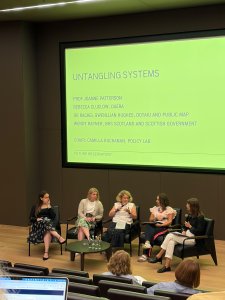
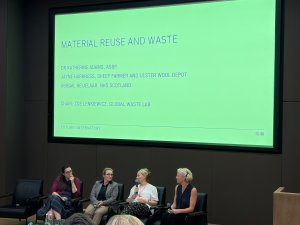
Reflecting on the discussions, a few principles stood out that I’d love to embed more in collaborations to ensure research creates real-world impact.
Design research ‘with’ people, not ‘to’ people. Sustainable change starts with local cultures and lived experience. Engaging communities throughout the process builds trust and solutions that last and feeding back after a project so communities see the value of their contribution. Transforming Homes has shown how listening to households’ lived experiences of retrofit can reshape priorities and unlock more meaningful innovation.
The power of storytelling. Academics often speak a different language. Translating complex thinking and evidence into clear, accessible narratives is essential for motivating action and shaping public understanding. For example, retrofit needs stories that resonate with people’s everyday lives — comfort, affordability, dignity — not just carbon metrics.
Reframing research questions. Instead of asking communities “what’s broken?”, start with “what are you proud of?”. Beginning from strengths builds trust and opens the door to positive transformation. This strengths‑based approach has been central to Transforming Homes, helping partners identify what already works in local places and how innovation can build on it.
The value of design. The event coincided with the publication of the Design Council’s Economy Report 2026, highlighting the economic value and impact of the design economy. We need futures that place people, culture and lived experience at their centre and design is one of the most powerful tools we have to achieve that.
What the conference highlighted for me is how GW4’s regional work sits within a national movement for fair, sustainable change. The Tools for Transitions conference made that connection visible, showing how programmes across the Green Transition Ecosystem are shaping the UK’s wider sustainability agenda. It reinforced why programmes like Transforming Homes matter so much. They show what’s possible when we design with people, tell better stories, and build on the strengths of our communities, creating transitions that feel both sustainable and achievable, locally and nationally.