Connect

Design Research

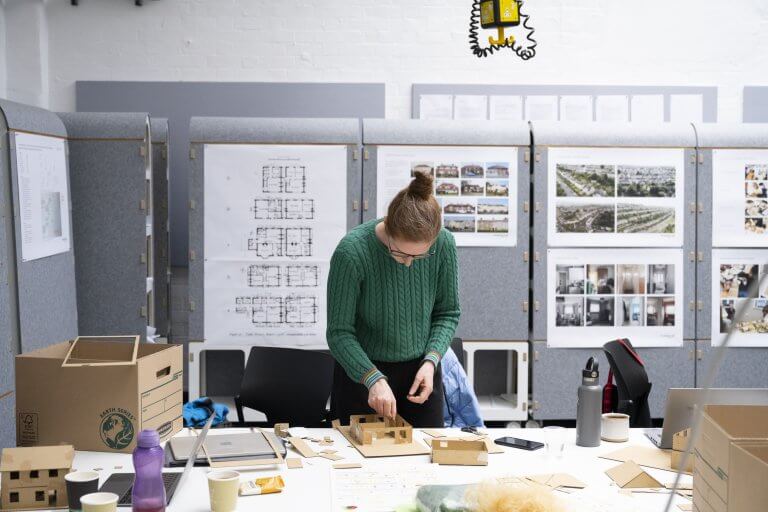
Providing a core thread to transform homes, design research is embedding state-of-the-art knowledge from a variety of sources to develop a design catalogue of solutions to support the transformation of 1920 -1940 council-built homes in the UK.
Design and space

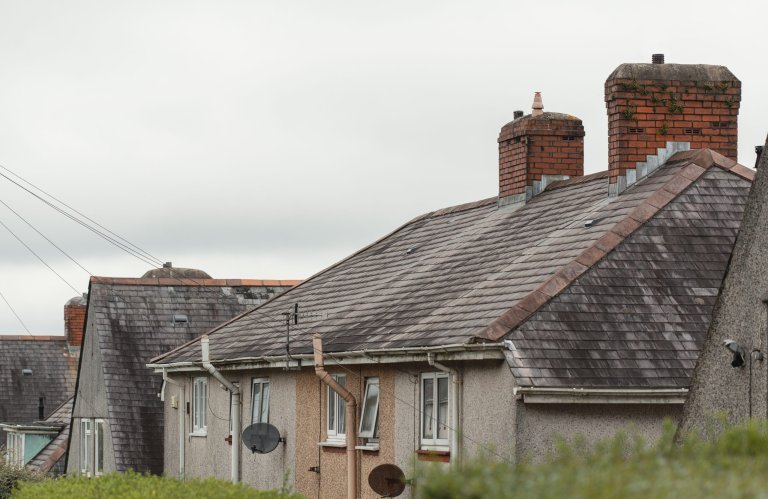
The almost 100 years old homes that we are investigating do not always meet the needs of residents.

Our co-design activities have revealed that despite maintenance and adaptation over time, the homes do not often meet evolving lifestyles and technologies, spatial use patterns and the way we interact.

Our design research includes exploring how housing standards can guide the provision of adequate living spaces and examine how the homes can be adapted to meet changing needs and lifestyles of today and into the future.

We are investigating how low carbon technologies can be embedded in the transformation providing cheaper and more sustainable energy whilst not impacting on living space.

Materials

Synthetic, non-renewable materials are typically used in construction. These can lead to damp and poor indoor air quality if poorly installed and use precious raw materials.

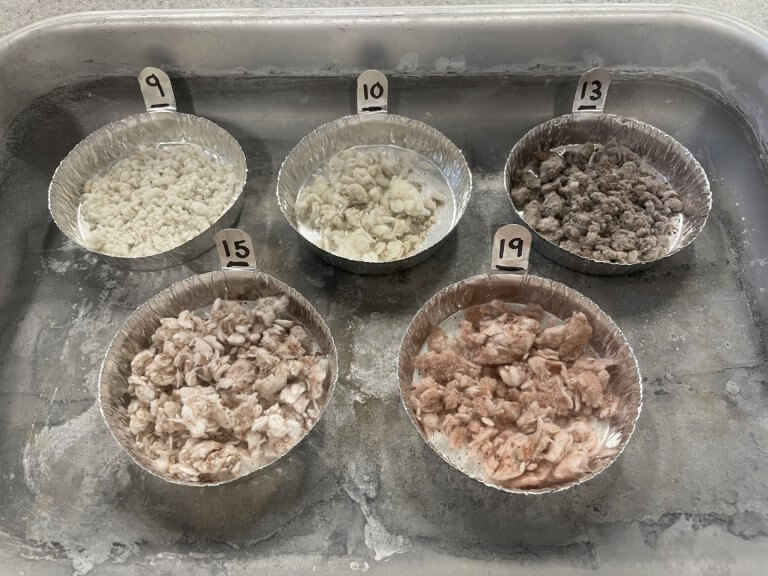
Supporting the increased us of renewable, recycled and reused materials offers more sustainable alternative. These products have lower embodied carbon and can provide healthier indoor environments.

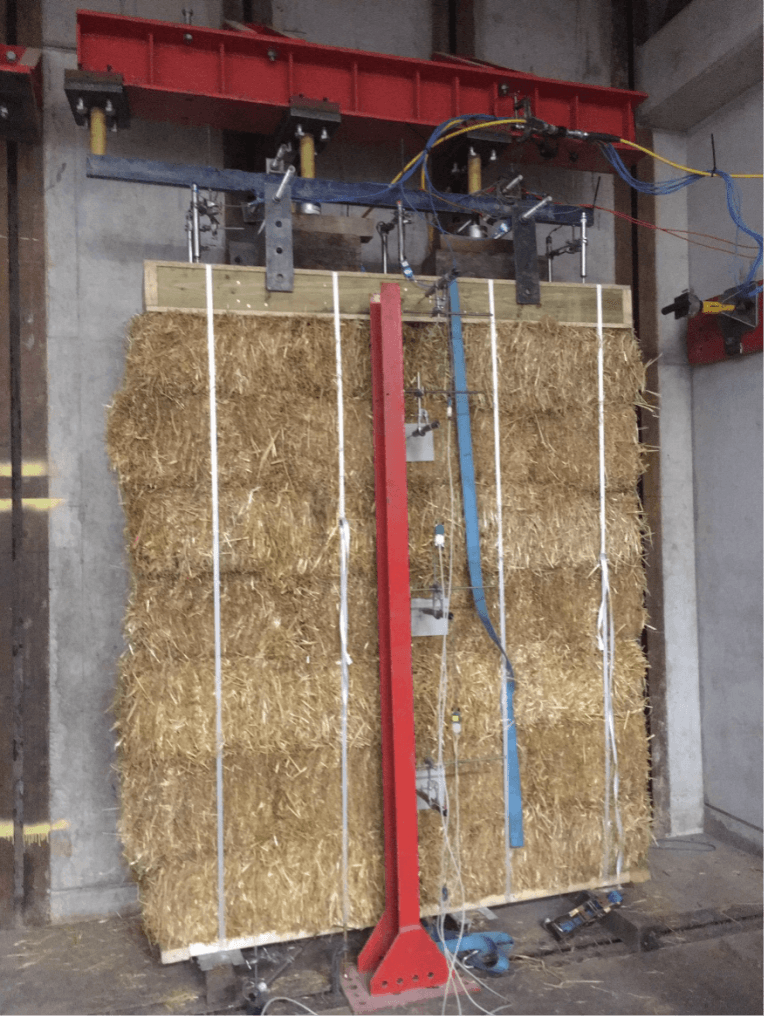
Prototypes and envelope solutions are being modelled and physically tested to enable solutions that include the increased use of bio-based materials and products to be used in 1920 to 1940 council-built homes. Testing conducted at the University of Bath’s laboratory and Large Environmental Chamber (LEC) facilities is investigating properties including physical, thermal, hygric and micro-structure of potential materials.

By integrating bio-based materials into the transformation of homes, we aim to reduce whole life carbon emissions and environmental impact of the process.

Technologies

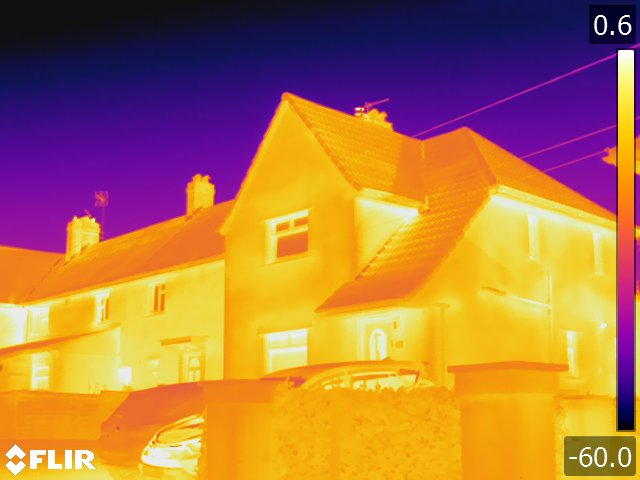
Integrating innovative technologies into the overall transformation of homes will support the creation of healthier, more energy efficient domestic environments for the future. These technologies are critical in reducing reliance on fossil fuels.

The team is investigating approaches that include efficient low-carbon heating and ventilation systems, renewable energy supply systems and energy storage solutions. These  aim to improve thermal comfort, lower operational carbon emissions and support long-term affordability for residents.

Survey - PW 1

Dynamic Simulation Modelling (DSM)

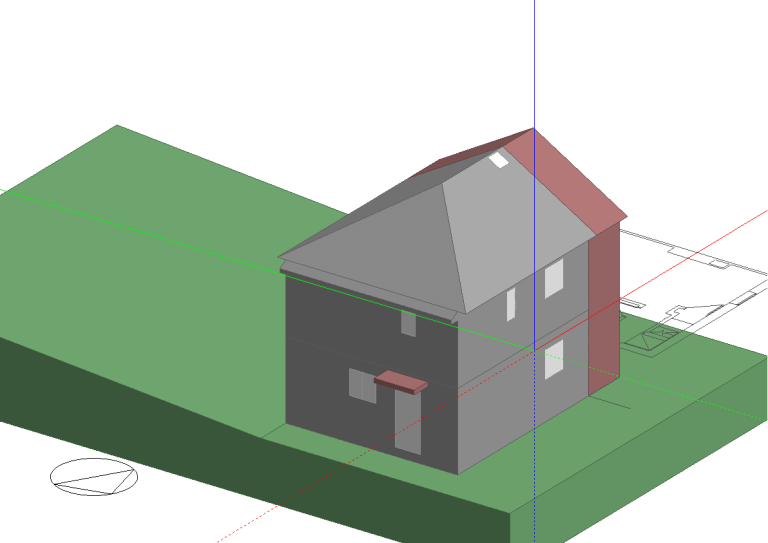
Dynamic Simulation Modelling (DSM) is being used to evaluate the performance of whole house designs to help the decision-making process. Relevant and accurate data from site surveys and monitoring is enabling our models to evaluate designs, materials and technical interventions.

Additionally, by analysing the life-cycle impacts of supply chain choices, we are identifying opportunities to reach Beyond Net Zero (BNZ).

Related articles

The Role of Design Research in developing a Transforming Homes Catalogue

Published: 19/02/26

Read more

Closing the Building Performance Gap: Why Full-Scale Measurement Matters

Published: 10/11/25

Read more

Transforming Homes with Dynamic Simulation Modelling: A Vital Tool for the Energy Transition

Published: 15/09/25

Read more

Data-Driven Transformation: Unlocking the Power of Building Monitoring to Future-Proof Our Homes

Published: 16/05/25

Read more

Mobilising Co-Design: The Role of the Charrette Cart in Transforming Homes

Published: 21/03/25

Read more

Inter-War Housing as Architectural Heritage? 

Published: 22/05/24

Read more

We use third-party cookies to personalise content and analyse site traffic.

Learn more