
Spotlight on…
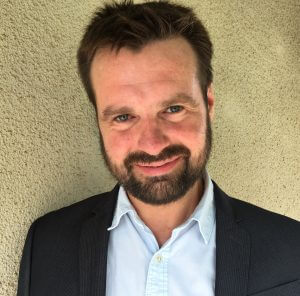
Dr Neal Holcroft, Research Associate, University of Bath
What’s your current role at your institution?
I’m working as a Research Associate at the University of Bath. My work on the Transforming Homes project focuses on understanding the current conditions of the homes and how we can make improvements. This is done through lab testing samples of the existing building fabric and proposed retrofit materials, monitoring conditions in the homes and developing computer models to simulate the effect of installing different retrofit solutions to inform decision making.
Which past experiences have helped you the most in your current role?
The topic of my PhD was retrofit of solid wall brick buildings through use of bio-based insulation materials, which included similar material and wall assembly testing to this project, as well as computer simulation. Since then, I have gained further experience in testing a wide variety of construction materials while working at the National Research Council of Canada, then at FPInnovations in Vancouver I worked on several mass timber building monitoring projects and wrote a Hygrothermal Modelling Guide for Wood Buildings.
What excites you about the research in the Transforming Homes project?
My initial interest in becoming a researcher in the built environment was the potential multiple benefits of retrofitting homes to decarbonise our energy systems, improve the health and wellbeing of residents, reduce cost of living and boost local economies. So, it is really exciting to be involved in a project that is putting that into action, and I hope that the solutions we’re developing can advance best practice for retrofit projects across the UK.
Another exciting and innovative part of the project is the focus put on community involvement, co-design with the residents and development of the Trade Crew, which will be a crucial part in making the project successful.
How is your expertise contributing to the Transforming Homes project?
I hope that my work on this project will help give the residents the best possible outcomes in terms of improving comfort in their homes, cutting their energy bills, and making their homes healthy and free of damp and mould problems.